
Until recently, over 98% of visitors drove into the park. That’s tens of thousands of cars snaking through narrow lanes, clogging up villages, and fighting for parking spaces at the foot of Yr Wyddfa (Snowdon). If you’ve seen the pandemic-era photos of cars abandoned in ditches and on verges, you know what I’m talking about.
So what do you do when your most iconic landscapes are being loved to death? You make catching a bus the obvious choice by providing a service designed for the people who use it.
The Sherpa Bus, Reborn
The Sherpa Bus service has been winding through Snowdonia since the 1970s. It was originally created to offer an alternative to car travel in the park. After decades of underinvestment, it was an underused and overlooked service.
Enter Ymgynghoriaeth Gwynedd Consultancy (YGC), working alongside Snowdonia National Park, Gwynedd Council, and Transport for Wales. With backing from the Welsh Government’s sustainable tourism fund, they kicked off a plan to upgrade the Sherpa service and make it too good to ignore.
Littlethorpe was brought on board to reimagine what a bus stop could be. And no, this wasn’t about slapping down a few shelters and calling it a day.
It Starts With the Shelter
The first step? Understand the people who actually use the bus. Climbers catching early starts. Families waiting with kids and bags. Locals navigating daily life in all weathers.
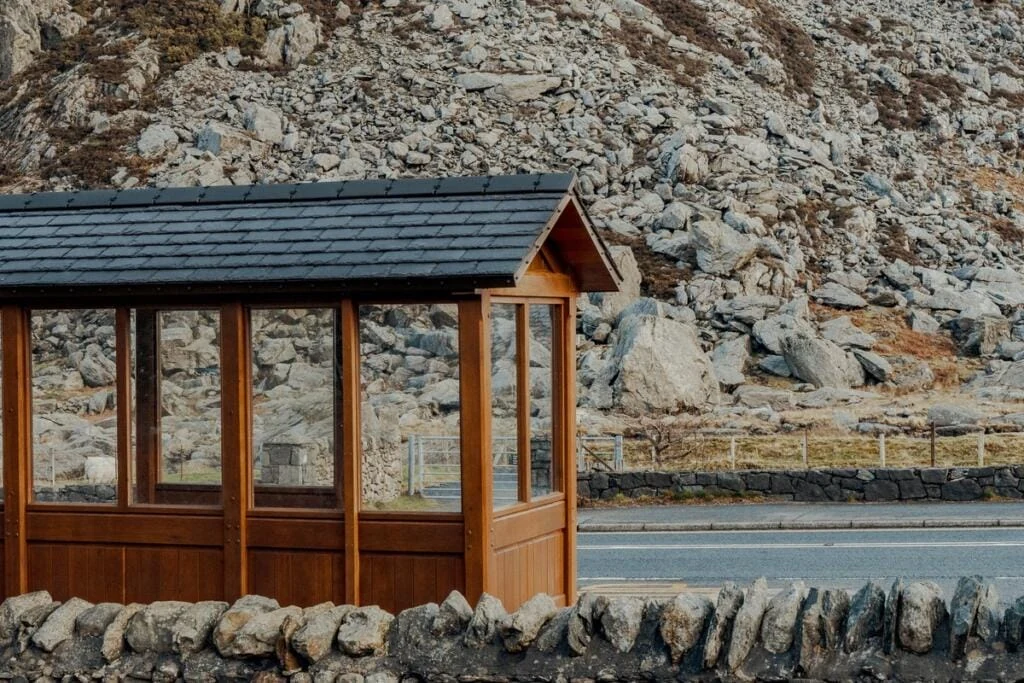
Littlethorpe’s response was bespoke hardwood shelters that didn’t just fit the land, they belonged to it. Shelters with real-time displays for the weary hiker. With solar-powered lights on winter nights. With USB charging for drained phones. With locally sourced Welsh slate roofs that echo the cottages nearby.
It was all about fitting in and standing out.
And because they’re made using FSC®-certified hardwood and traditional joinery, the environmental footprint is light, the craftsmanship is heavy, and the shelters are made to last.
The wider Sherpa service upgrade
The shelters formed part of a wider programme of improvements to the bus service.
Littlethorpe’s June 2025 project account reported an 18% increase in winter ridership following the wider service upgrades. This was a result reported for the service as a whole, rather than the shelters alone.
And this wasn’t just about getting more people on buses. It was about protecting the park. Reducing congestion. Improving air quality. Giving visitors a better way to travel through one of the UK’s most visited natural wonders.
Why This Matters
It’s easy to overlook the little things in infrastructure, the things that become invisible when done well. But this project proves that design matters. That small decisions add up. That sustainable tourism isn’t just about limiting damage, it’s about rethinking the experience entirely.
As Tom Robinson, Littlethorpe’s Commercial Director, put it:
“Now those who do visit can do so with a little less impact by using the Sherpa Bus service.”
That’s not just a win for public transport. It’s a quiet win for the land.
Need support? We’re Here to Help
We understand that choosing the right infrastructure is a big decision, and you may have questions along the way. Whether you need guidance on selecting the perfect design, understanding installation requirements, or customising features like colours, our team is here to assist you every step of the way. Contact Littlethorpe to discuss your project.